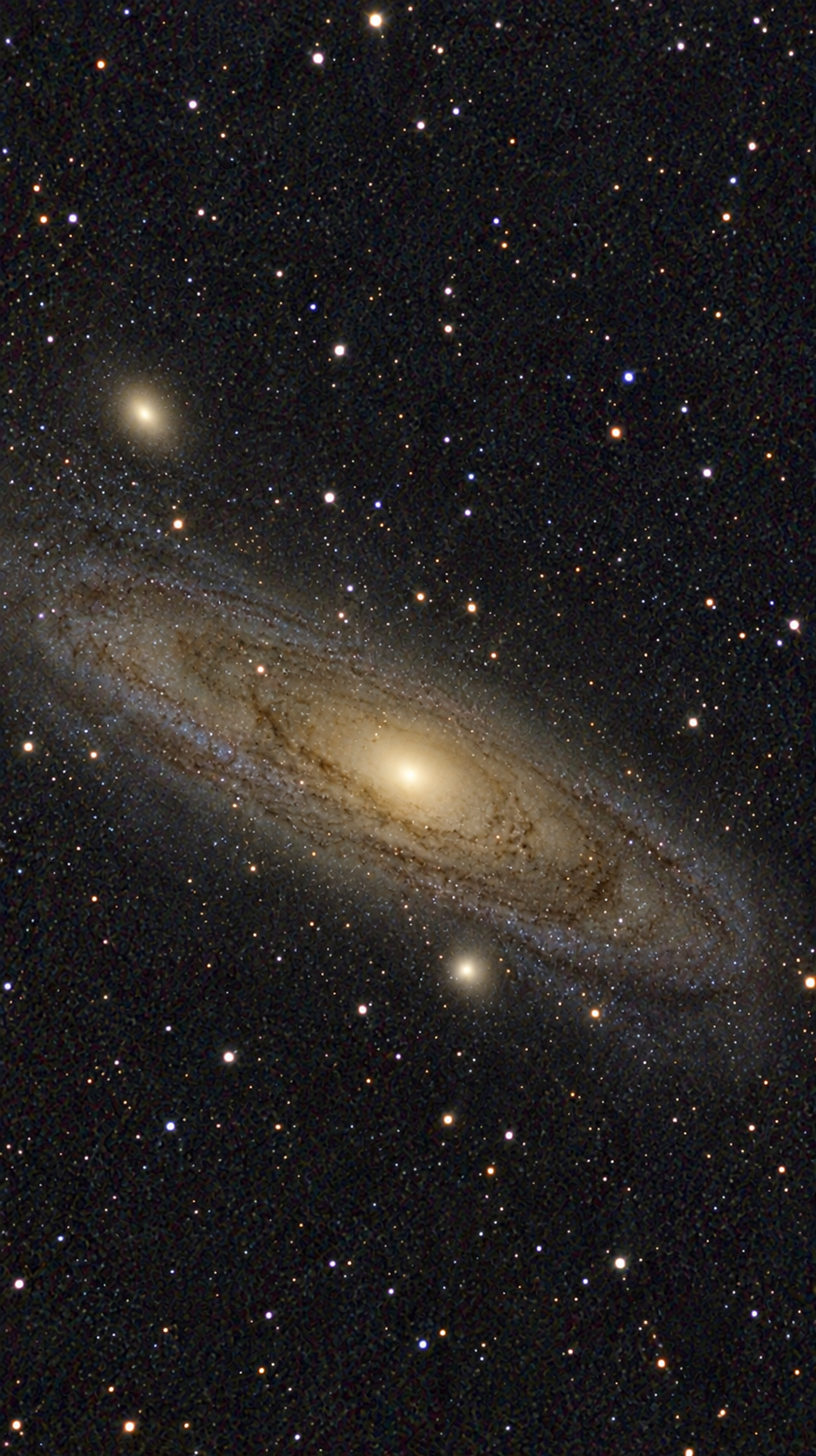
Andromeda Galaxy (M31)
Our nearest large galactic neighbour, 2.5 million light-years away, flanked by its two satellite galaxies — M110 above, and the fainter, M32 just below the disk. Pulling out the faint dust lanes takes a tracking mount and many stacked exposures.
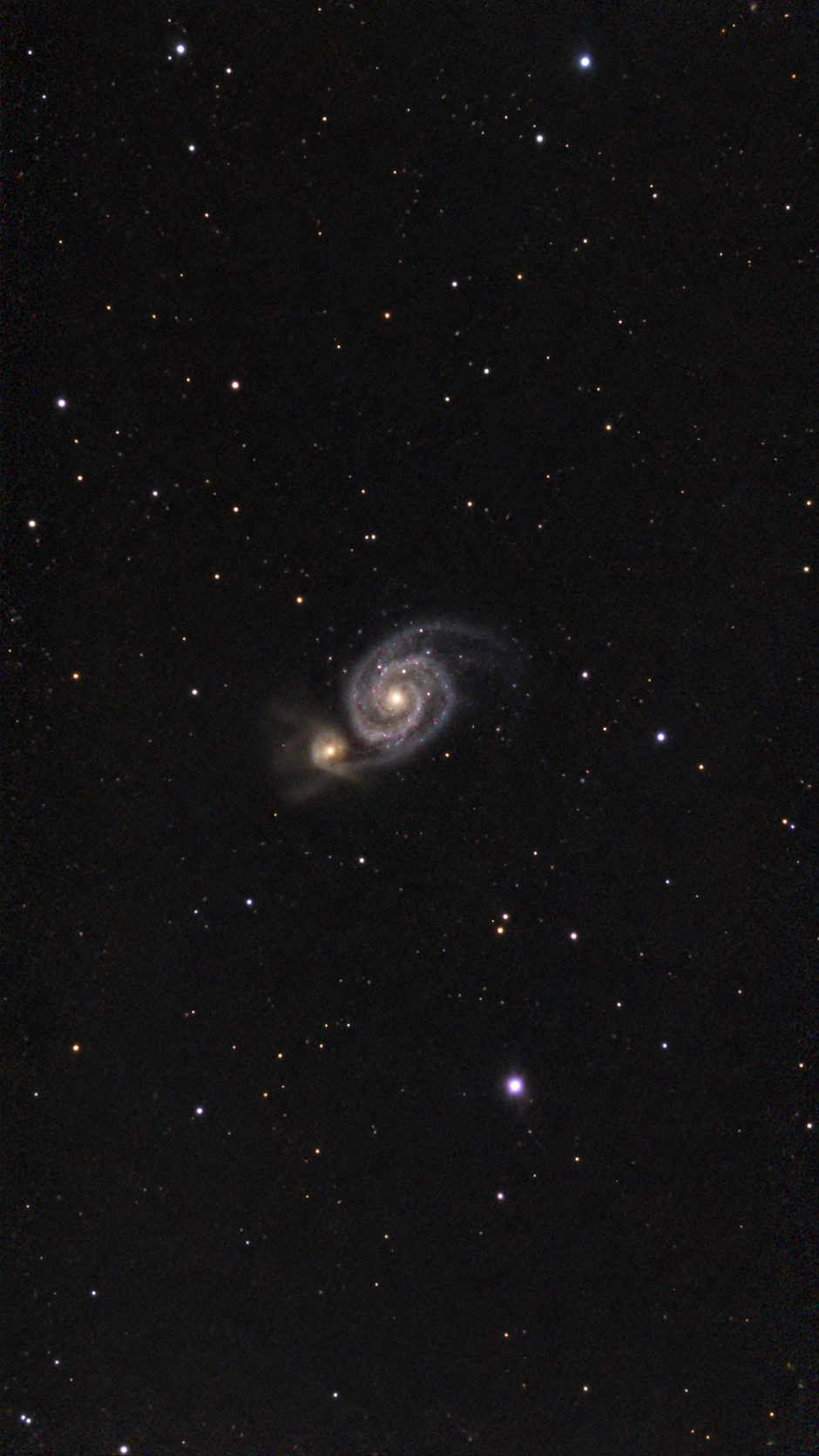
Whirlpool Galaxy (M51)
A textbook grand-design spiral, caught mid-interaction with its smaller companion, NGC 5195. The tidal bridge connecting the two is a sign of the gravitational tug-of-war between them.
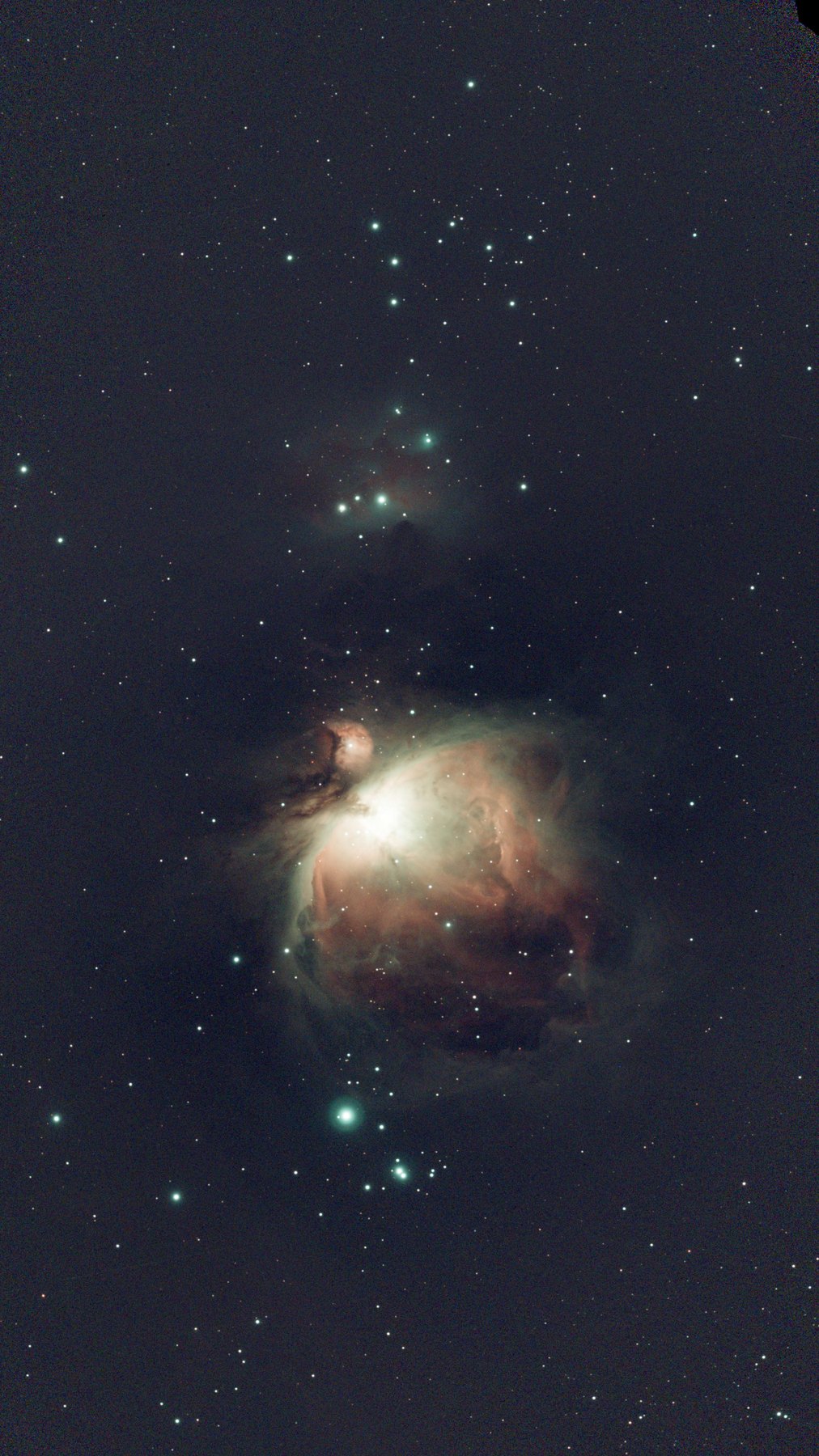
Orion Nebula (M42)
One of the brightest, most photographed nebulae in the sky. The young stars of the Trapezium cluster light up the surrounding gas from the inside — a great target for a first deep-sky attempt.
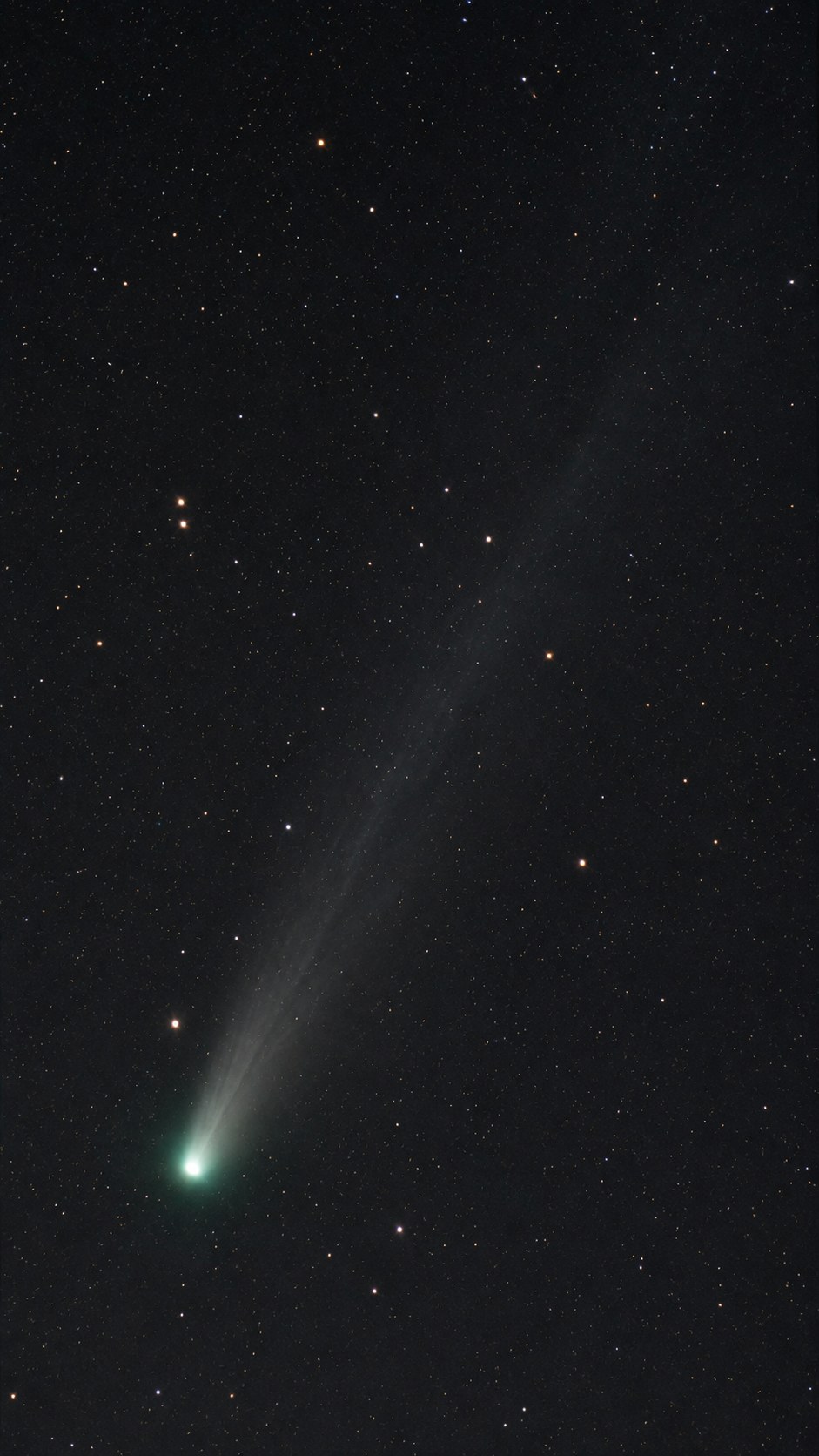
Comet Lemmon
Shot on the Seestar S50 and processed in Siril — comets are a race against time, since both their position and their tail change night to night.
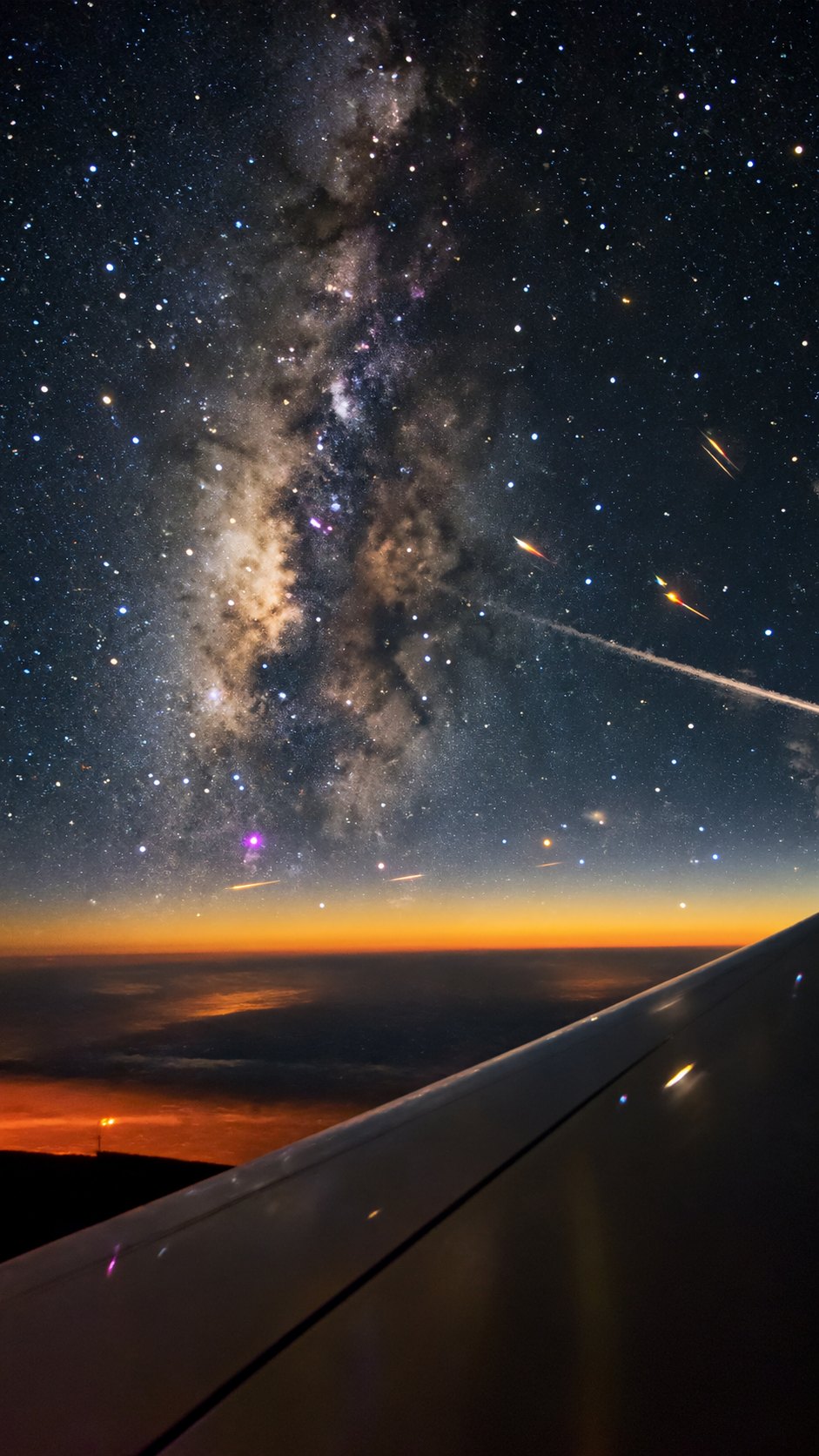
The Milky Way, from a Window Seat
The galactic core captured at 35,000 feet. Proof that a dark enough sky and a steady hand are sometimes all you need.
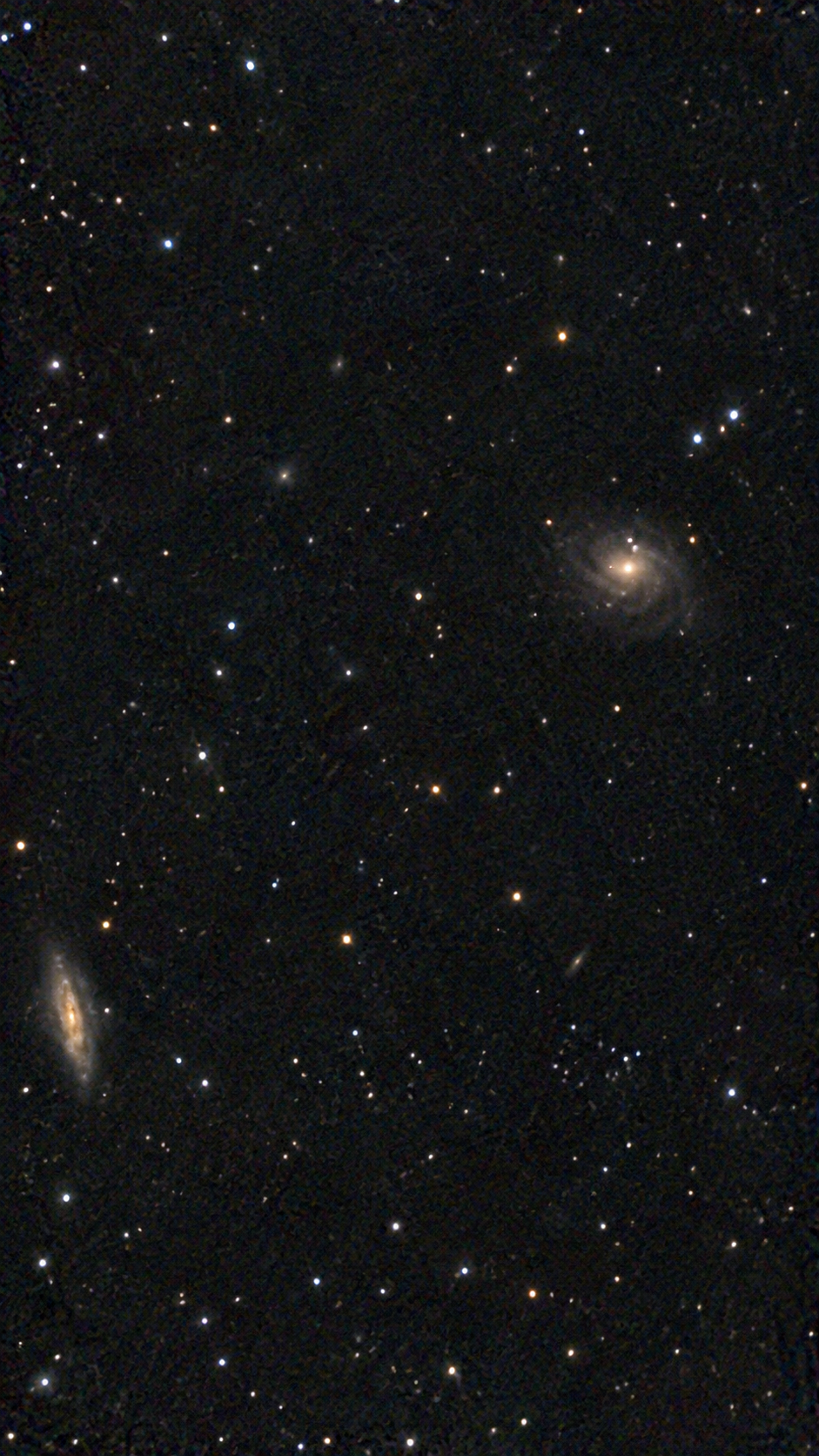
Bode's & Cigar Galaxies (M81 & M82)
Two very different galaxies sharing one frame — the calm spiral M81, and M82 beside it, its centre flaring with starburst activity from a past close encounter between the two.
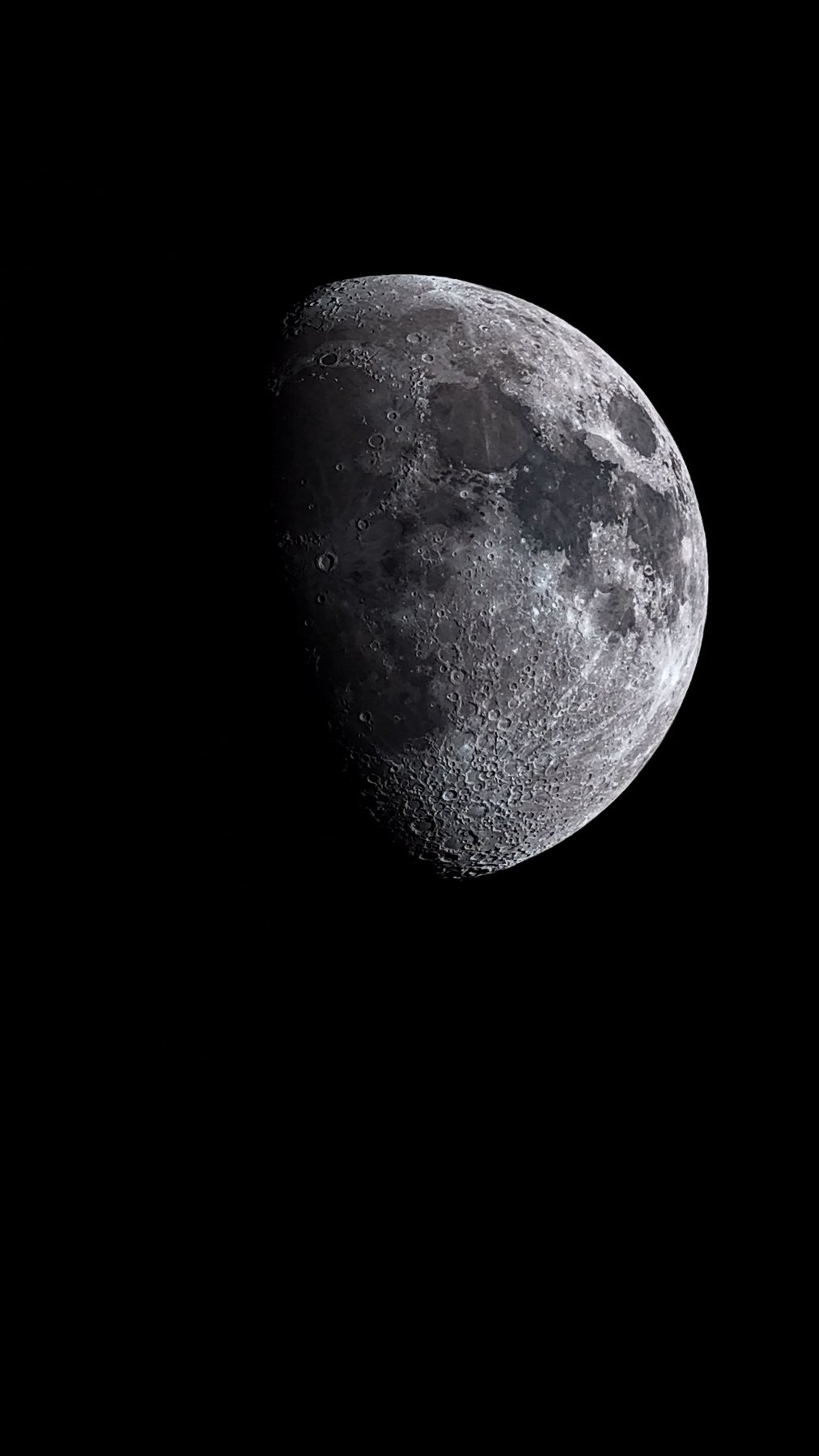
Moon, Past First Quarter
A wider view of the lunar disk showing the transition from the smoother mare to the heavily cratered highlands — a good target for understanding lunar phases.
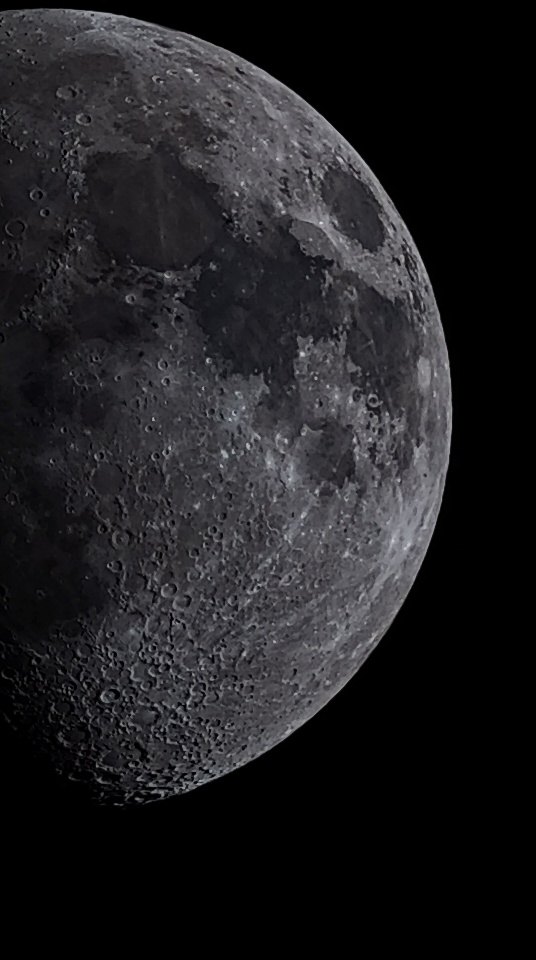
Along the Terminator
A close-up on the line between lunar day and night, where low, raking sunlight throws long shadows across crater walls and makes surface texture really pop.
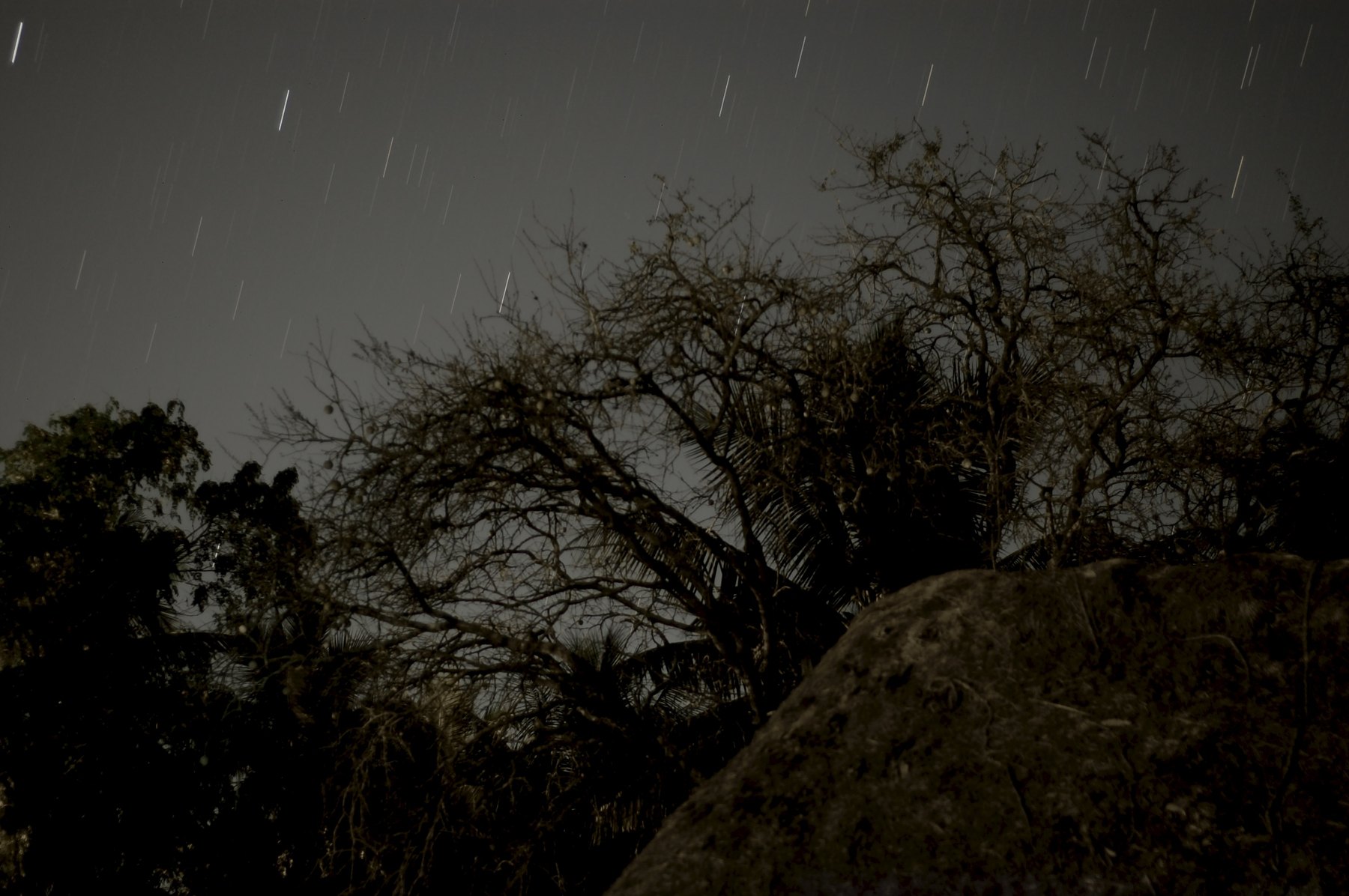
Star Trails Over Potumarru
A long exposure over the family farm near Tenali, turning the sky's slow rotation into circular arcs above the trees — no tracker needed, just time.
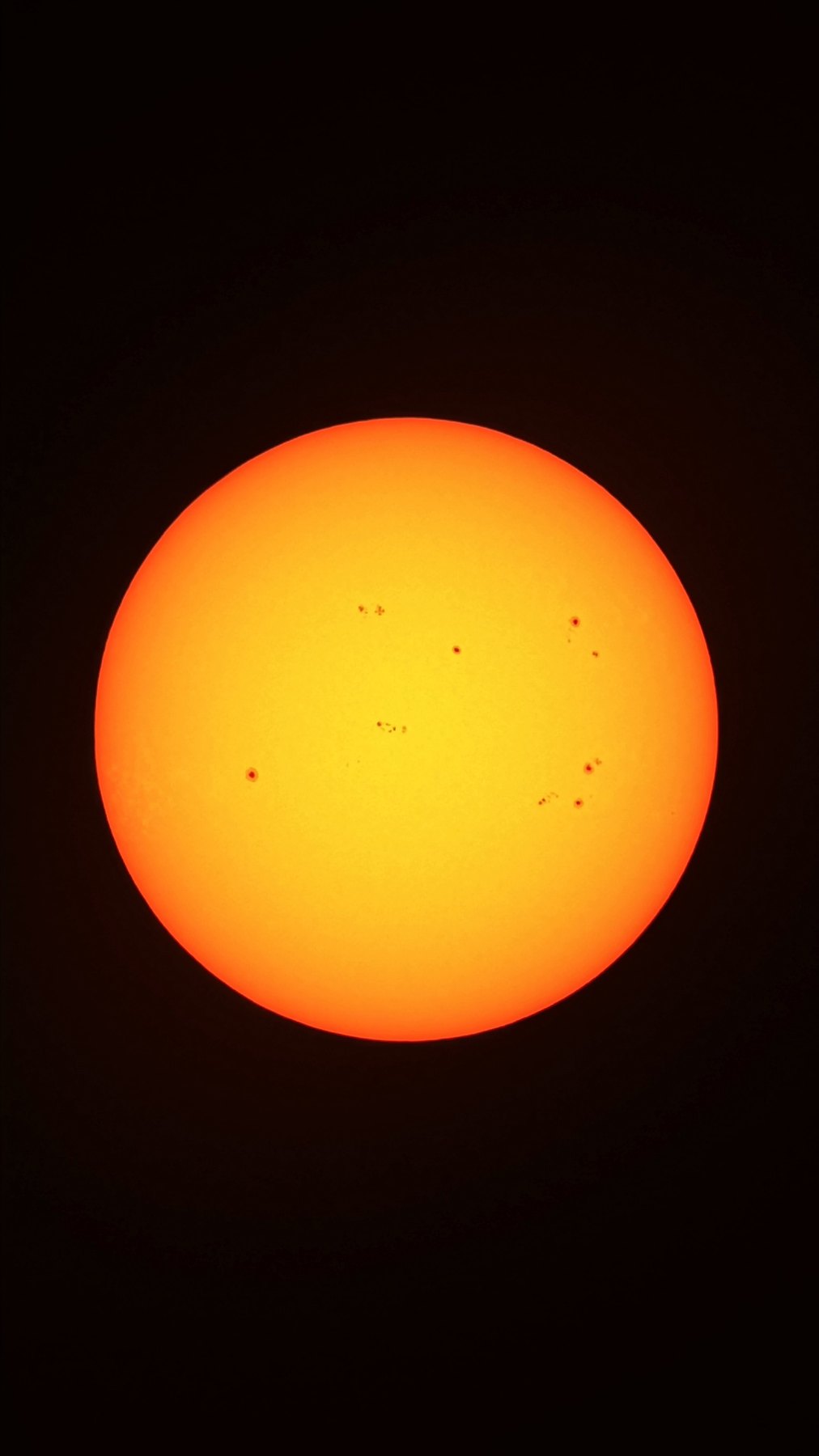
The Sun, with Sunspots
Shot through a solar filter, with several sunspot groups visible across the surface. Daytime astrophotography is its own rewarding (and much warmer) branch of the hobby.
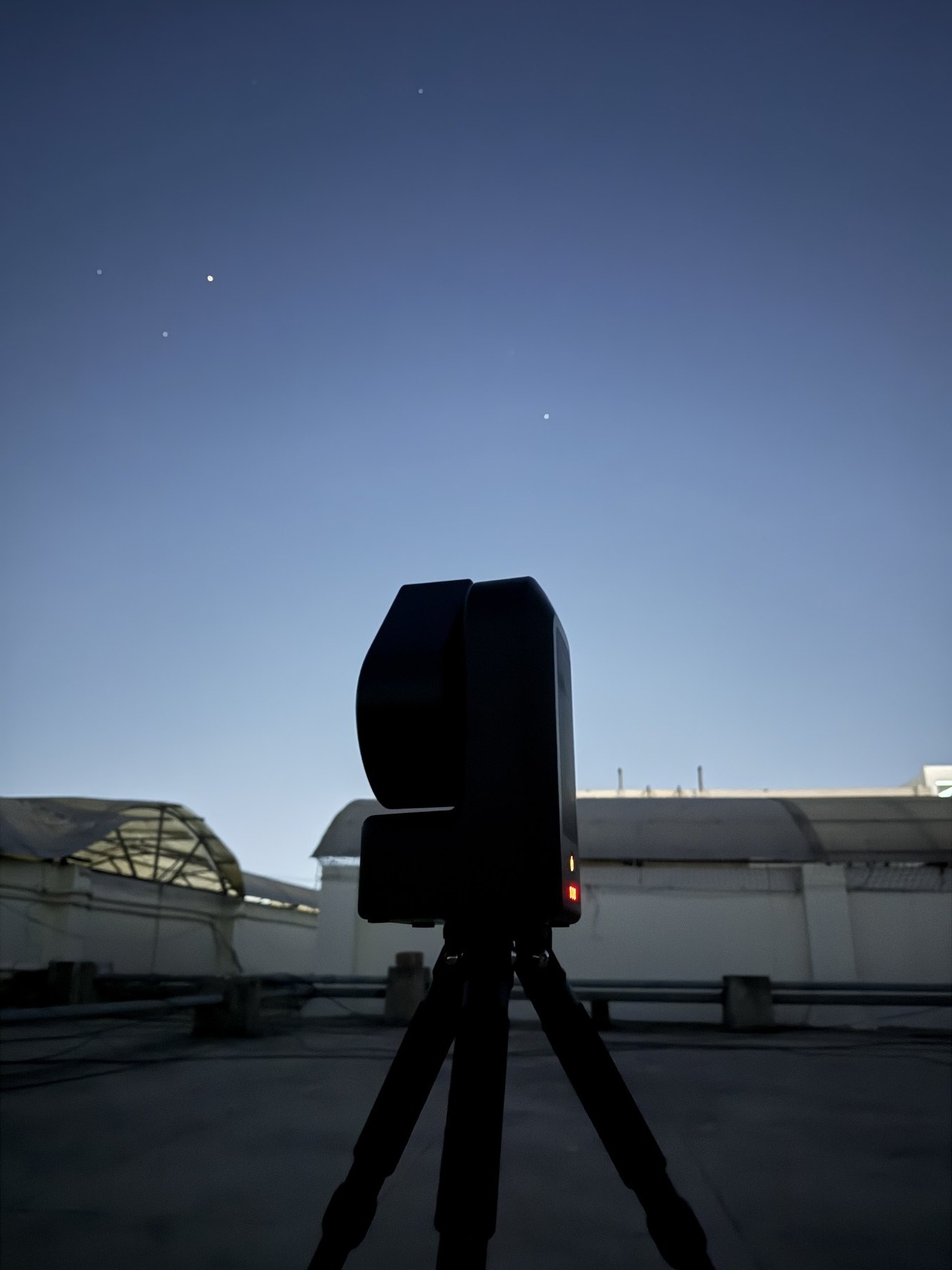
A Smart Telescope, Set Up for the Night
You don't need a huge rig to get started. Compact smart telescopes like this one can plate-solve, track and stack automatically — great for beginners.